Understanding AC Repair Ac Repair: Frequently Asked Questions Answered
Understanding AC Repair Ac Repair: Frequently Asked Questions Answered
Blog Article
The acronym HVAC stands for heating, ventilation, and air conditioning, which is vital for maintaining a pleasant indoor atmosphere throughout each season. Choosing the right HVAC contractor is critical for achieving dependable and energy-efficient climate management in both residential and commercial settings. Regular check-ups, swift repairs, and necessary system upgrades are key to achieving the best performance. For those wishing to learn more about HVAC services, many insightful resources and options await your exploration this website. HVAC systems represent a sophisticated amalgamation of technologies that manage heating, cooling, and ventilation within both residential and commercial establishments. These systems comprise various components, such as air conditioning units, heating devices, ducts, and ventilation channels, all collaborating to ensure optimal indoor comfort levels. The operational efficiency of an HVAC system plays a significant role in energy consumption and is also crucial in maintaining good indoor air quality. In hotter regions, air conditioning becomes indispensable for regulating indoor temperatures. Air conditioning units operate by removing heat and moisture from the air, thereby creating cooler and more pleasant indoor environments. Conversely, in colder regions, heating solutions like furnaces or heat pumps are vital to provide necessary warmth. Ventilation also holds great importance, as it promotes a steady influx of fresh air while filtering contaminants, preventing problems such as mold development. Several types of HVAC systems are available, each tailored for particular applications and unique needs. Common types include centralized systems, which service multiple rooms via ductwork, and decentralized systems, like mini-split air conditioning units that function independently in distinct spaces. Selecting the appropriate type for your specific requirements is essential. Centralized systems frequently offer higher efficiency for larger areas, whereas mini splits deliver focused cooling or heating, making them perfect for smaller rooms or extensions. Selecting the appropriate HVAC contractor involves careful consideration of their expertise and reputation within the community. Begin by looking for companies that showcase outstanding reviews and high ratings locally, particularly those recognized for their skills in air conditioning repairs and maintenance services. Verify the contractor's credentials by checking for necessary certifications and licenses, which indicate their professional qualifications. It's also important to find contractors who have hands-on experience with a wide range of HVAC systems, including the latest innovations such as smart thermostats and zoning solutions. Gathering multiple quotes is another smart strategy for homeowners seeking the best contractor. This method enables you to assess different service offerings and pricing structures, guiding you towards the most advantageous choice. During your consultations, inquire about their maintenance strategies, emergency repair capabilities, and understanding of energy-efficient installations. A trustworthy contractor will not only present transparent pricing but will also share valuable knowledge about energy-saving techniques and the ideal HVAC systems tailored to your particular requirements. Consistency in maintenance plays a vital role in ensuring that HVAC systems function optimally and can substantially enhance their longevity. Homeowners should prioritize scheduling routine evaluations at least once every year for their heating and cooling systems. Implementing this preventive strategy can help to sidestep unanticipated breakdowns and high repair expenses, particularly during busy usage times. Technicians will inspect for various issues, including blocked air filters that can reduce airflow, and check the ductwork for any leaks that could undermine the system’s efficiency and overall performance. During these maintenance appointments, HVAC technicians also carry out cleaning of the system’s components, effectively preventing the accumulation of dirt and dust. This involves air duct cleaning, which is critical for ensuring efficient airflow and enhancing indoor air quality by reducing allergens. Well-maintained HVAC systems usually run more efficiently, which can translate into lower energy bills and less environmental impact.Grasping the Essentials of HVAC
Various Types of HVAC Systems
Choosing the Right HVAC Contractor
The Necessity of Consistent Maintenance
HVAC
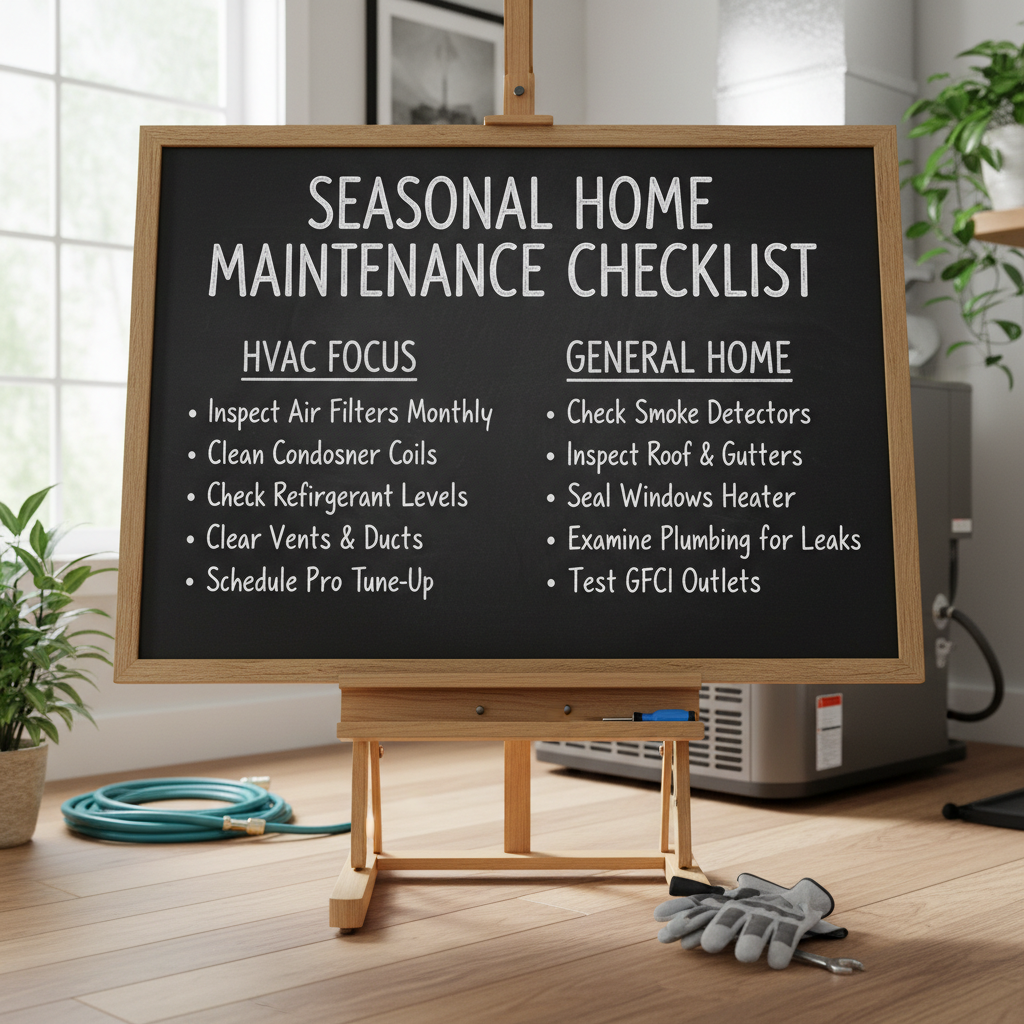
Tips for Maintaining Your HVAC System
Understanding HVAC systems can lead to considerable cost savings and improved comfort. Consider these tips to enhance system performance.
- Regularly change or clean air filters every 1-3 months to maintain optimal airflow.
- Seal any gaps in ducts to reduce energy loss and improve heating/cooling efficiency.
- Invest in programmable thermostats to help regulate temperatures according to your habits.
- Schedule annual professional inspections for both heating and cooling systems.
- Keep outdoor units clear of debris to ensure they operate without obstruction.
 Holiday HVAC Contractorair conditioning repair service near me
Frequently asked questions
What is HVAC?
HVAC stands for heating, ventilation, and air conditioning. It refers to the technology used to manage indoor climate conditions by regulating air temperature, humidity, and air quality.
How do I choose a HVAC provider?
To choose a HVAC provider, research their reputation, read customer reviews, compare quotes, and ensure they have the necessary certifications and licenses.
How much does HVAC cost?
The cost of HVAC varies based on system type, size, energy efficiency, and installation requirements. On average, systems can range from a few thousand to tens of thousands of dollars, including installation.
What are the signs I need air conditioning repair?
Indicators that you may need air conditioning repair include insufficient cooling, unusual noises, and increased energy bills, which often suggest system inefficiencies.
How often should I maintain my HVAC system?
It's recommended to have your HVAC system professionally serviced at least once a year for both heating and cooling systems to ensure optimum performance and longevity.
Maintaining a comfortable and healthy indoor environment requires a solid understanding of HVAC systems and the importance of working with qualified contractors. From air conditioning maintenance to effective heating solutions, a proactive approach can save time, money, and stress.
By selecting the right HVAC provider and prioritizing regular maintenance, homeowners can ensure their systems operate efficiently and effectively, providing comfort for many years to come.